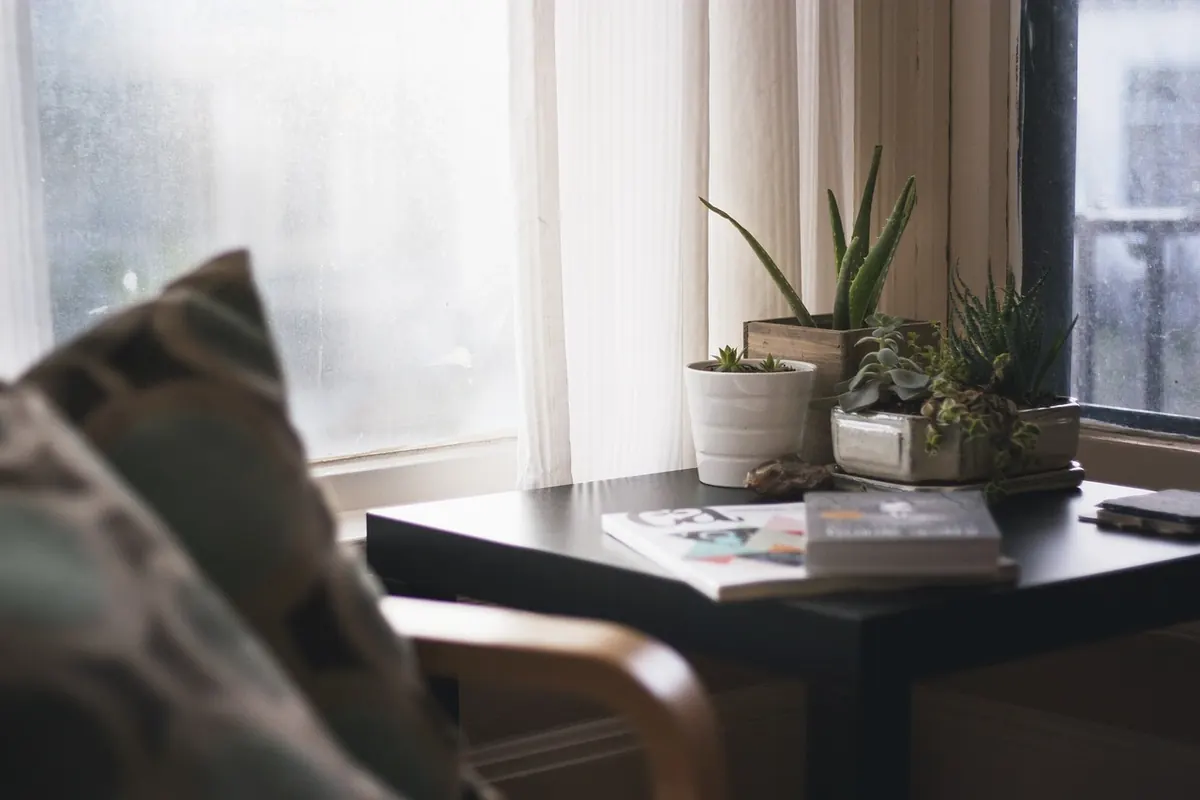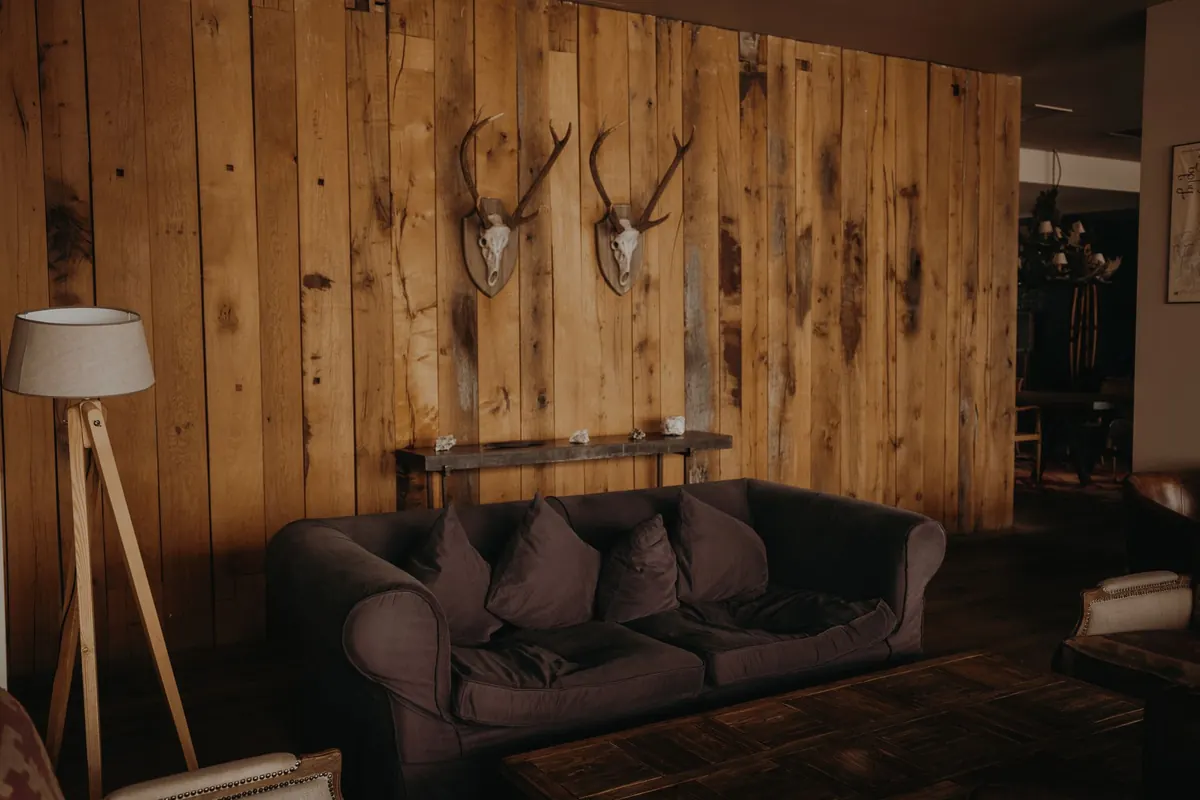
Walk into a farmhouse kitchen in the Italian countryside and almost nothing in it is trying very hard. The plaster dips where a hand once pressed it. The table carries a pale ring from a hot pan. A bentwood chair sits beside a bench somebody's uncle knocked together from offcuts. That ease is the whole trick, and it is far harder to reproduce than it looks.
Campagna, as a way of decorating, is not a shopping list of burlap and dried wheat. It is a set of decisions about texture, colour, wear and proportion, and you can make them in a city flat with no beams in sight. These are the eight principles that do most of the work.
1. Texture Comes Before Colour
Two rooms, same size, same light. The first is painted sage green, with flat walls, a lacquered sideboard and a synthetic rug. The second is the colour of milk, with lumpy lime plaster, a scrubbed oak table and heavy linen at the window. The second one feels like the countryside, and it has not used a single "rustic" colour to get there.
Texture is the first layer; colour is the last. Aim for at least three surfaces within arm's reach of where you sit that your hand would want to touch: a rough wall, a waxed tabletop, a wool cushion, a stone sill. Swap gloss for chalky matt paint, glazed tiles for unglazed terracotta, synthetic velvet for linen or hemp. A quick test: if a surface throws a sharp reflection of the window back at you, it is too polished for this room.
Don't sand everything down to matte, though. One or two shiny things, such as a copper pan on a hook, a glazed jug or an old mirror, keep a fully matte room from feeling dusty.
2. Let One Material Lead
Good campagna rooms are rarely a mixture of everything rustic at once. They are one material repeated until it becomes the room's voice, with two or three others answering it. In an old house the material is decided for you by the building. If it isn't, choose one and commit.
- Wood. Oak, chestnut or elm, waxed rather than varnished. Bring in one large piece, a table, dresser or bench, and let the smaller wooden things echo its tone. Three unrelated wood tones in a small room look like an accident; three related ones look collected.
- Stone and lime. Rough plaster, a stone sink, a flagged hearth. Cool, pale and forgiving, and the best backdrop for everything else on this list.
- Terracotta. Unglazed pots, floor tiles, a shallow bowl. Warm without being orange, and it improves as it stains.
- Linen, hemp and wool. Curtains, cushions, tablecloths, the loose cover on a chair. They should look washed rather than pressed.
- Iron and brass. Hinges, curtain poles, light fittings, a door handle worn bright in the middle. A little dark metal gives all that softness something to push against.
Pick two of those, not five. A room made of wood and linen reads clearly; a room made of wood, stone, terracotta, iron and wicker reads as a themed restaurant.
3. Take the Palette From the Ground
Look out of the nearest window, or at a photograph of the countryside you actually like, and borrow its colours: stone grey, milk white, straw, olive, ochre, walnut, the faded pink of old roof tiles. The usual mistake is going too yellow, or choosing a green that belongs to a garden centre rather than a hillside.
Build the scheme from three base tones, a white, a mid-tone and something dark, then add one accent. Paint a patch of each on the actual wall, at least the size of a sheet of paper, and look at it in the morning, at four in the afternoon and under lamplight before you commit. A warm ochre that looks generous in a bright south-facing room turns grey and slightly sour in a north-facing one; keep the ochre for textiles there instead.
4. Let the Imperfections Show
The fastest way to kill this look is fake distress: sanded edges on a factory chair, printed wood grain, paint chipped deliberately in places a hand never touches. Real wear happens where hands and feet go. The edge of a table, the bottom of a door, the middle of a stone step, the arm of a chair. Anywhere else, it reads as decoration.
So let things tire. A worn stair tread, a scratched worktop, a slightly crooked shelf are not problems to solve; they are the difference between a room that looks furnished and a room that looks lived in. Repair visibly when you do repair: a butterfly patch in a plank, a riveted crack in a pot, a plate glued and hung rather than thrown out. Start with the floor and the threshold, the two places where a house shows its age most honestly, and resist the urge to replace them with something new and even.
5. Keep Proportions Generous, Then Leave Air
Rustic furniture is often big, and the instinct when a room feels empty is to fill it with small things. That is exactly what makes a room feel cluttered and, oddly, smaller. One long table beats three side tables. One deep armchair beats a matching suite of four.
A few rules of thumb that hold up in almost any room:
- Choose a rug large enough that at least the front legs of the sofa or chairs sit on it. A postage-stamp rug under a big table makes everything above it look like it is floating.
- Hang curtains close to the ceiling and let them reach the floor, or stop a centimetre above it.
- Hang pictures lower than feels natural, roughly at eye level.
- Leave one wall largely bare, and check from the doorway: if you cannot see a stretch of floor, there is too much furniture in the room.
6. Warm the Light, and Show the Hands That Made Things
Light in layers, lit from the sides
One bright ceiling fitting flattens a room and makes evening feel like a waiting area. Use several low, warm sources instead: a table lamp on the sideboard, a wall light over the sink, candles on the table. Look for bulbs around 2700K, warm rather than neutral, and put the main light on a dimmer if you can. Light the corners and the middle will take care of itself.
Something made by a person
A bowl with a slight wobble, a woven basket, a jug whose glaze pooled on one side, a quilt with visible stitching. These objects carry small irregularities that the eye reads as honesty, and one or two per room is plenty. A shelf of twelve identical artisanal bowls looks like a shop display, not a home.
Leave something empty
The eighth principle is subtraction. Decide which wall stays bare, which shelf holds three things and no more, which corner has nothing in it but a chair. Campagna is a working style, and working rooms have clear surfaces: you can put a bowl of fruit down, or a stack of plates, without moving six ornaments first.
Where to Start, in Order
If you are reworking one room rather than a whole house, work in this sequence and you will avoid most of the expensive mistakes.
- Empty the room and live in it for a day. Note where the morning sun lands and where it goes dark at four.
- Deal with the surfaces first: mended plaster, matt paint, a clean and oiled floor.
- Choose your leading material, based on the house or on one good piece you already own.
- Place the largest pieces before buying anything small, and pull them slightly away from the walls where there is room.
- Add textiles in washed linen or wool, in colours taken from the ground outside.
- Add three or four small light sources, then live with the room for a week before buying another object.
The real test of a campagna room is not how it photographs. It is whether a guest puts a glass down on the table without a coaster and nobody in the room flinches.
Photo: ROMAN ODINTSOV / Pexels